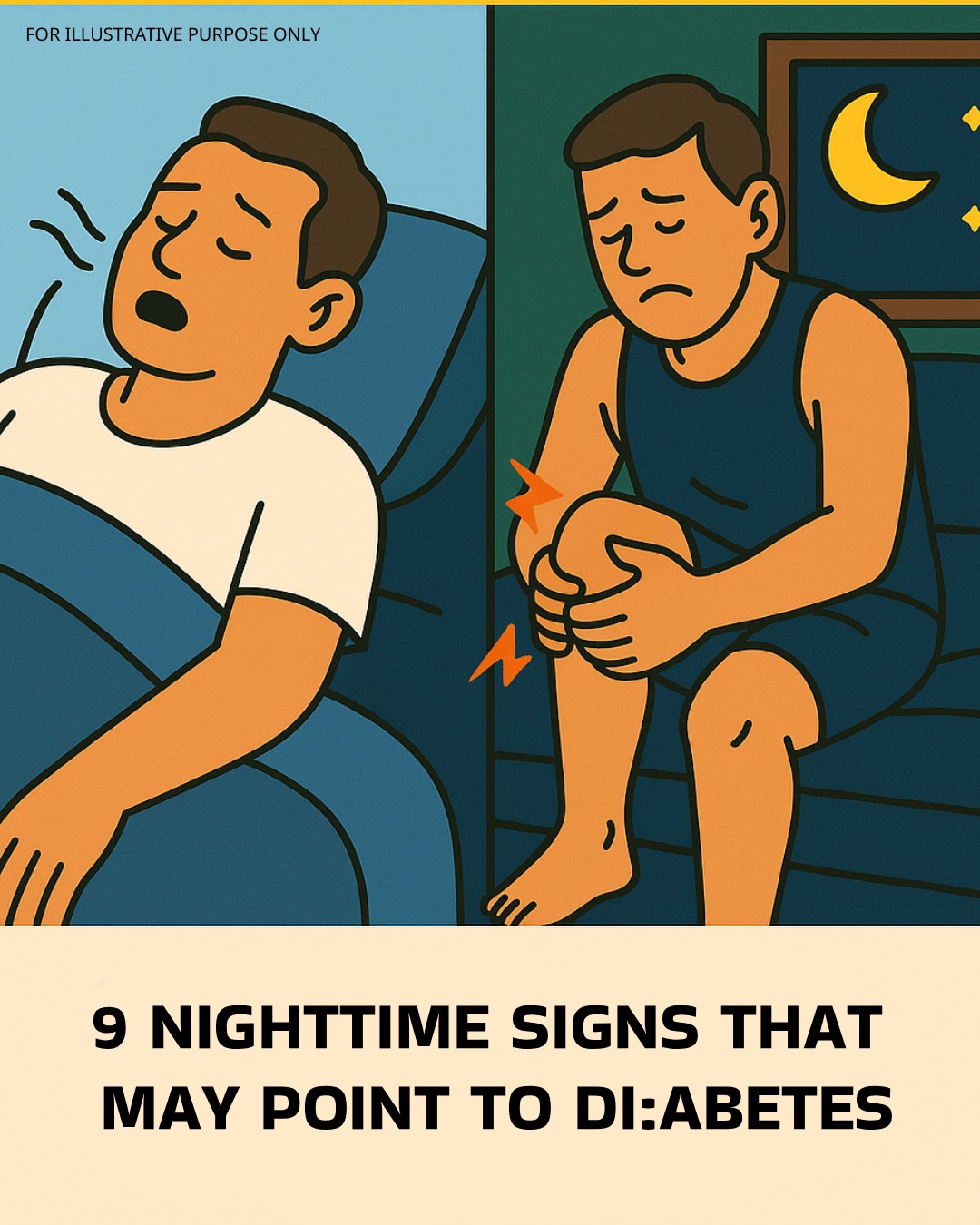

1. Are you going to the bathroom a lot at night?
Waking up several times to urinate is more than just a bother.
It could be a sign of a bigger problem. When blood sugar levels are too high, the kidneys work harder to remove the extra sugar from the blood, which makes you urinate more — especially at night. This is called frequent urination and can be one of the first signs of diabetes.
2.Do you wake up with damp pajamas?
Night sweats that you think are from stress or hormones might be caused by a sudden drop in blood sugar.
When blood sugar drops, the body releases adrenaline, which can make you sweat a lot. If this happens often, you should pay more attention.
3.Do you wake up because of hunger or a fast heartbeat?
Low blood sugar during the night can cause shaking, feeling very hungry, or a sense of restlessness.
These uncomfortable awakenings might show that your body is having trouble keeping blood sugar levels steady.
4.Can’t you keep your legs still in the evening?
An uncontrollable urge to move your legs may be an early sign of nerve problems that come from blood sugar imbalance.
Poor control of blood sugar can affect the nerves, causing tingling, crawling feelings, or mild electric–like sensations in your legs, making it hard to sleep.
5.Does your partner complain about your snoring?
Sleeping with interrupted breathing is common in people with type 2 diabetes, especially those who are overweight.
This can create a cycle that makes it harder for the body to use insulin and lowers the quality of sleep, which can worsen metabolism.
6.Do you drink a lot of water every night?
If you feel very thirsty all the time and your mouth feels dry in the morning, you shouldn’t ignore this.
It may be a sign of dehydration caused by high blood sugar levels. The body tries to make up for the lost fluids by making you feel very thirsty.
7.Do you feel tired even after a full night’s sleep?
If you wake up feeling drained despite getting enough sleep, it may mean your cells aren’t using glucose properly.
This can leave you feeling tired and without energy, even after resting.
8.Does your mouth feel dry in the morning?
A dry mouth is often connected to diabetes.
If left without treatment, it can cause you to wake up often and may lead to problems with your teeth and mouth. This symptom is usually linked to dehydration and high blood sugar levels.
9.Does your sleep feel broken and uneasy?
Waking up suddenly, not being able to get deep sleep, and feeling like you never rest properly can be signs of unstable blood sugar levels.
These sleep problems can make it hard to feel refreshed and can affect your mood, focus, and energy during the day.
Why these signs matter
Diabetes often starts quietly, sending signals long before it is diagnosed.
paying attention to your sleep can help you notice early changes in your body’s metabolism. A healthy lifestyle, like regular exercise, balanced eating, and regular checkups, is the best way to prevent or manage diabetes. If you notice several of these signs, don’t wait — talk to your doctor.


Leave a Comment